

Contents: AI for Law Firms: A Comprehensive Guide

The critical fact that wins a case is sometimes right there at the top, but just as often it’s a hedged half-sentence on page 147, delivered three hours in and easily missed during a tired second read. Finding that crucial detail is the work. Finding it across four transcripts manually is where the work breaks down.
Deposition review has long been one of the most time-intensive stages of case preparation. A standard deposition transcript can run hundreds of pages. Even at a steady pace, preparing a single summary can require eight or more hours of work, depending on the length and complexity of the transcript.
To save time, some firms outsource their deposition summaries. These services are typically priced per transcript page, and rates vary widely depending on turnaround time and the nature of the matter. For some cases, the timeline is still too slow and the expense is too high.
This is where AI deposition summarization can have the greatest impact. Legal teams can use AI to organize testimony, surface key passages, and generate structured summaries with accurate citations.
But the real value of AI deposition summaries goes beyond efficiency. The hours AI reclaims for lawyers can be redirected into cross-examination prep, motion strategy, client communication, and case theory development. That’s not just a productivity gain. It’s a strategic one.
What is AI deposition summarization?
AI deposition summarization uses AI to analyze deposition transcripts, recordings, and related case materials, producing structured summaries of the testimony. Instead of working through hundreds of pages, or hours of video and audio recordings, manually, you get back the key excerpts, with admissions and contradictions flagged, chronologies built, and findings linked back to the specific page and line in the transcript.
As with AI legal document review, AI can pull the testimony that bears on your case, but you decide what it means and how it fits your strategy. That review takes legal analysis and strategic judgment, which is why a legal professional should verify every summary before it informs cross-examination, motion drafting, or trial preparation.
With the best AI deposition summary software, you get more than compressed text. The testimony comes back organized and immediately usable for advocacy and case strategy, helping you move matters forward.
The three deposition summary formats (and when to use each)

There are three main deposition summary formats that lawyers and paralegals should understand. Knowing how each one works lets you choose the right approach for the task at hand.
Page-line summary
This is the classic format: a two-column table with summary text on one side and page/line citations on the other, all organized chronologically. Each row covers a discrete section of testimony.
These summaries work best for cross-examination prep, impeachment outlines, and motion practice. The page-line citations make these summaries directly usable in briefs, motions, and other court filings.
Narrative summary
Where the page-line summary serves as a reference tool, the narrative summary tells the broader story of the testimony. Written in flowing prose and organized either chronologically or by topic, narrative summaries focus on context and key developments rather than line-by-line detail.
Use these for client updates, partner briefings, mediation memos, and bringing experts up to speed. Narrative summaries are generally easier to read than table-based formats, but less effective for locating and citing precise testimony.
Analytical/issue-based summary
The third format is the most strategic. Analytical, or issue-based, summaries combine the narrative with credibility analysis, key admissions, event chronologies, and contradiction tracking. This format is built for trial prep, case theory development, and identifying impeachment opportunities.
Analytical or issue-based summaries transform a deposition transcript from a record of testimony into a strategic case asset.
No single format works for every situation, which is why the best AI deposition summary tools can generate all three formats from a single upload. Page-line summaries for impeachment and citation, narrative summaries for briefing and communication, and analytical summaries for strategy. This flexibility allows legal teams to choose the format that fits the given task, without needing to re-upload transcripts or rerun summaries.
What makes a high-quality deposition summary
An AI deposition summary may appear polished and professional, but that doesn’t guarantee that it’s reliable. Like AI-hallucinated cases in legal research, AI-generated summaries can seem authoritative while still containing significant errors. The key is knowing what separates a usable summary from a glorified text editor.
- Accurate page-line citations: Every substantive claim should map directly to specific page and line references in the transcript. This is the most important quality marker. Without precise citations, you can’t rely on the summary in motions, briefs, or impeachment.
- Specific topic breakdowns: Weak summaries tend to compress broad sections of testimony under vague, generic labels. By contrast, strong summaries break testimony into distinct, well-defined topics, each tied to a precise citation in the underlying transcript.
- Surfaced admissions and contradictions: High-quality summaries identify key concessions, inconsistencies, and statements that support or undermine case themes. Uncovering these depends on AI that’s legally-trained and matter-aware, able to read and interpret testimony in context.
- Source verification: Each summarized point should link back to the transcript with click-through or direct linking to the underlying testimony. This enables fast verification and builds trust in the output.
- Common errors to watch for: Missed conditional or hedged testimony, conflated speakers in multi-party depositions, overly generic topic labels, and hallucinated case references that can occur with general-purpose AI.
Even with the most advanced AI tools designed for legal workflows, attorney review remains essential. Spot-checking citations, confirming key admissions, and identifying omitted or qualified testimony are necessary steps before relying on a summary in practice.
The AI deposition summary workflow: step-by-step
Whether you’re a solo litigator, a mid-sized firm associate, or part of a larger litigation support team, AI deposition summaries only work when they fit into a practical workflow your team can adopt with ease. Consider the following repeatable process.
- Upload your transcript, recording, or other deposition materials. Most tools accept PDF, Word, or text formats. A 100-page transcript typically processes in minutes.
- Specify the format. Page-line summaries are best for cross-examination prep, narrative summaries for partner briefings, and analytical summaries for trial strategy. Some tools can generate multiple formats at once.
- Highlight key topics. Tell the tool which case themes, witnesses, or facts to emphasize. Be precise in your instructions. Prompt specificity at this stage has a significant impact on the quality of outputs.
- Review and verify. Spot-check page-line citations against the transcript. Confirm key admissions and dates. Watch for omissions, especially conditional or hedged testimony that can be flattened during the summarization process.
- Integrate into your matter file. Store the summary alongside the transcript in your practice management system. The most effective deposition summaries become part of the case’s working knowledge, not standalone documents.
- Use it to build downstream work product. Your AI deposition summary can be leveraged to support cross-examination outlines, mediation briefs, witness preparation materials, and other litigation outputs.
These steps provide a foundation, but your workflow will naturally adapt to the needs of your firm and the specifics of the matter.
A common concern among lawyers is that their cases are too complex or nuanced for AI to handle. In reality, the opposite is true. Complexity is where structured summarization often delivers the most value. As matters involve more witnesses and longer transcripts, manual synthesis becomes harder. Structured, citeable summaries help surface patterns, contradictions, and key testimony much more efficiently.
Use cases beyond the summary itself
The strategic value of AI-generated deposition summaries shows up most clearly in everyday litigation use cases. For example, AI can spot contradictions across multiple depositions, allowing lawyers to compare witness testimony, uncover inconsistencies, confirm corroborating statements, and find opportunities for impeachment.
This efficiency is indispensable in cross-examination preparation, where page-line citations help attorneys build outlines grounded in the record and make prior testimony readily accessible for precise impeachment. AI also streamlines motion drafting by pulling citation-backed quotes for summary judgment motions, motions to compel, or motions in limine, eliminating the need to manually review lengthy transcripts.
Beyond drafting and trial prep, AI significantly enhances witness preparation packets, so lawyers can easily brief expert witnesses or clients on prior testimony, including key excerpts and relevant objections. In mediation and settlement strategy, AI-generated insights distill critical admissions and weak testimony into focused summaries that then inform negotiations. These tools also strengthen trial chronologies and issue maps, integrating with other discovery materials to build comprehensive litigation resources, as exemplified in our AI litigation workflow guide.
Some firms may assume AI replaces the paralegal’s role in deposition review. It doesn’t. It changes how that work gets done. What was once a six-hour task becomes a 30-minute verification step, freeing paralegal time for higher-value litigation support such as trial binders and witness preparation.
Each of the above tasks can be done manually, but the tradeoff is time and capacity. Instead of spending hours extracting and organizing testimony, legal teams can focus on analyzing it, building strategy, and preparing for successful litigation.
Beyond summaries: what’s next for AI in depositions
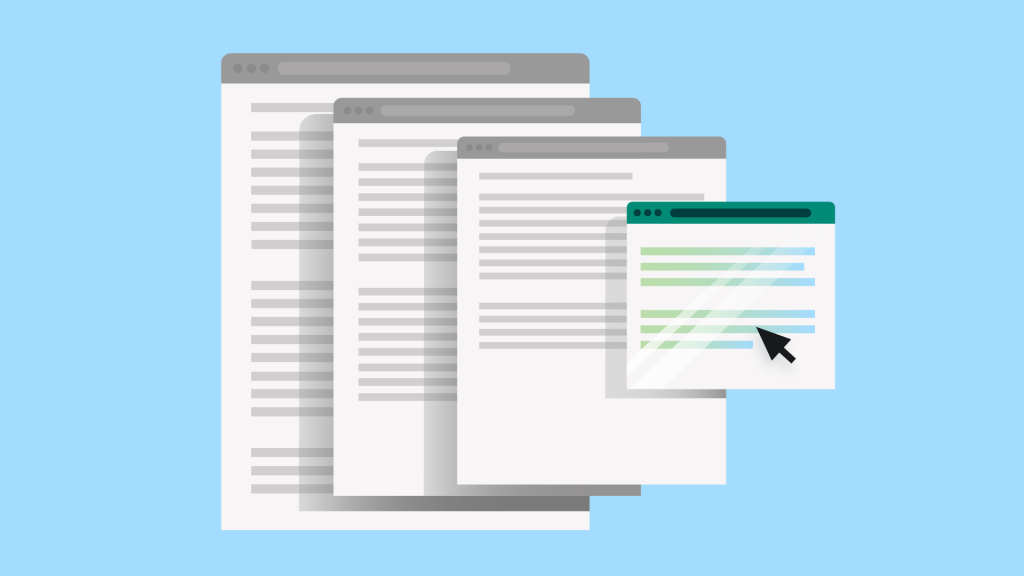
With AI increasingly embedded in legal practice, AI summarization tools are evolving to meet the needs of associates, partners, and litigation support teams. This evolution points towards several key developments.
New tools now transcribe and analyze depositions in real time. This allows lawyers to search testimony during breaks rather than waiting days for a finalized transcript. Moving beyond basic summarization, some systems offer AI “second chair” functionality: actively supporting depositions by tracking pre-set goals such as “secure admission of X” or “test inconsistency with prior testimony,” and showing progress as it happens.
One of the most exciting areas legal AI now offers is matter-aware integration, or systems that understand the broader case file, so deposition insights are automatically contextualized against pleadings, discovery, and prior testimony rather than treated in isolation.
A growing capability involves witness demeanor and credibility signals. Video-synced AI integrates a witness’s recorded video with their written transcript to analyze nonverbal cues alongside text, raising significant ethical and professional questions.
As the technology evolves, adopting AI summarization today builds the foundation for what comes next. The firms that implement these tools now will be best positioned to take advantage of increasingly sophisticated capabilities as AI summarization continues to mature.
Choosing the right AI deposition summary tool
Even if you’re convinced of the advantages of AI deposition summarization, you still have several options to choose from. If you’re a firm leader or operations manager tasked with evaluating litigation technology investments and cost structures, consider the following factors.
- Page-line citation accuracy: Test the tool on a transcript you know well. Are citations exact or approximate? Are they generic or specific?
- Multiple output formats: Choose a tool that provides page-line, narrative, and analytical formats from a single upload, without additional fees.
- Multi-volume support: Can the system summarize multi-day or multi-session depositions in a single, unified output?
- Integration with your matter: Does the summary live alongside the transcript in your practice management platform, or in a separate system requiring manual transfer?
- Cost structure: Common models include per-page pricing (for occasional use), subscription pricing (for high volume), and platform integrated AI for lowest marginal cost.
- Human review options: Some services pair AI with qualified legal reviewers for high-stakes transcripts. This is especially useful for cases where the summary may be cited directly in motions or trial documents.
- Data security: Deposition transcripts contain privileged communications, client information, and work product. Look for SOC 2 certification, zero-data retention policies, no model training on your inputs, and HIPAA compliance where applicable.
That last point is especially important, a firm could be cautious about introducing AI into privileged materials. That concern is valid. The key distinction, however, is not whether AI is used, but whether the specific tool is designed for legal work and built with appropriate safeguards. With this in mind, Clio’s Legal AI Fundamentals Certification program helps legal professionals understand how to evaluate, implement, and responsibly use AI in legal workflows.
The goal is to choose tools that strengthen legal workflows while maintaining professional standards and client trust.
Practice the future of law today
With Clio Work, you go beyond generic chatbots and use AI that understands the context of your matters and delivers precise, cited legal research, analysis, and drafting that moves your cases forward.
Discover Clio Work
Depositions live inside your matter
The best deposition summary tools don’t exist in a separate platform; they live where your case file already resides. When the summary is connected to the matter, it’s automatically linked to other documents, accessible to your team, and part of the case’s ongoing strategic record.
Clio Work is the only AI tool that’s matter-aware, giving law firms a depth no other solution can match. Unlike standalone AI tools, it has full context of your case, drawing on documents, notes, and other matter details already in your file. Deposition insights are automatically connected to everything else happening in the matter. That means Clio Work can process deposition transcripts and generate structured breakdowns of key admissions, contradictions, and testimony gaps in a way that a tool working in isolation couldn’t, supporting cross-examination preparation directly within the practice management workflow.
For firms that prefer dedicated deposition tools, Clio integrates with specialized AI summarization partners such as Parrot and CaseMark through the Clio App Directory, allowing you to process transcripts within your tool of choice while keeping summaries organized within Clio Manage and accessible within Clio Work. Beyond efficiency gains, this means firms can handle more matters and more deposition volume, increasing revenue potential without increasing headcount or hours.
Stop summarizing, start strategizing
Deposition summaries used to be a bottleneck. They traditionally slowed down litigation workflows, consuming valuable time before any real analysis could begin. With AI, that’s changing: summaries are a starting point rather than an endpoint. The hours once spent producing them can now be redirected toward cross-examination preparation, motion strategy, mediation, and trial planning.
Whether you’re a trial lawyer evaluating strategy, a paralegal managing transcript review, or a firm leader assessing litigation technology, the next step is simple: take one deposition this month and run it through an AI summary tool. Compare the output to what you would have produced manually. For many litigators, that moment marks a clear shift in how they approach deposition work, and a fresh perspective on how they can start allocating their time.
See how Clio Work turns deposition transcripts into structured breakdowns of key admissions, contradictions, and testimony gaps, ready for cross-examination prep.
Continue exploring the AI for Lawyers series for practical guides on litigation workflows, document review, case summaries, and more.
How long does it take AI to summarize a deposition?
AI can summarize deposition files in minutes, rather than the hours or days typically required for manual review by paralegals or junior associates.
What's the best AI deposition summary tool?
The best tool depends on the specific needs of your firm, but should offer: integration with your practice management platform, multiple output formats (page-line, narrative, analytical), accurate citations, multi-volume support, and data security (SOC 2, zero-data retention). Before committing to an AI deposition summary tool, test it out on a transcript you know well.
Are AI deposition summaries accurate enough to use in court?
Legal-specific AI tools produce highly accurate summaries with page-line citations that can be cited directly in court documents. However, every summary still requires attorney verification. Before relying on AI-generated output, make sure to spot-check citations, confirm key admissions, and watch for conditional testimony that may have been omitted.
How much do AI deposition summary services cost?
Traditional outsourced services typically charge $3–$8 per page, which can total roughly $300–$1,500 per transcript. For standalone AI tools, subscription pricing ranges from $30–$100 per month. Platform-integrated AI, which is built directly into your practice management software, has the lowest marginal cost.
What’s the difference between page-line and narrative deposition summaries?
A page-line summary is a table with summary text alongside exact page and line citations, making it ideal for cross-examination prep and motion drafting. A narrative summary uses flowing prose organized by topic or chronologically, making it especially valuable for partner briefings, client updates, and mediation memos. The best AI tools generate both formats from a single upload.
Practice the future of law today
With Clio Work, you go beyond generic chatbots and use AI that understands the context of your matters and delivers precise, cited legal research, analysis, and drafting that moves your cases forward.
Discover Clio Work